Younger
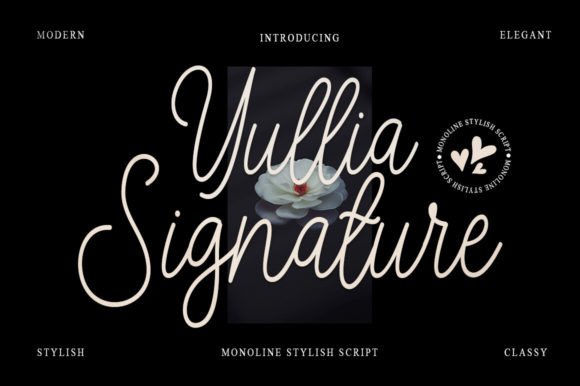
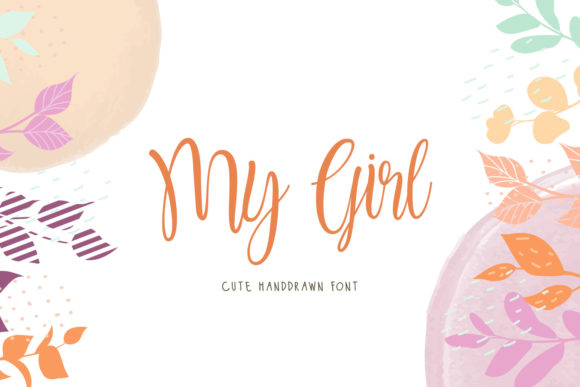
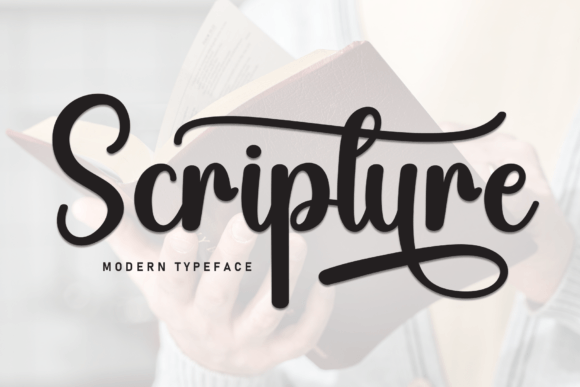
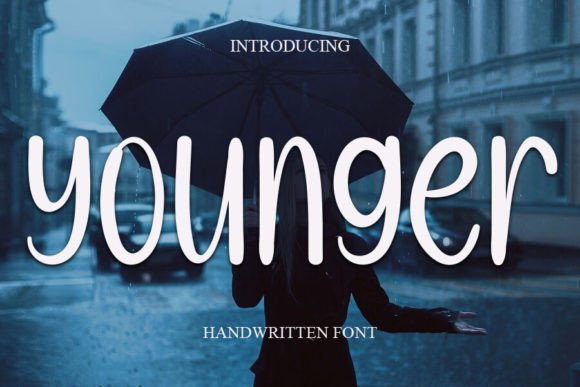
Younger isn’t just another handwritten font—it’s a deliberate design choice with quiet strategic weight. Its relaxed, unforced rhythm, gentle slant, and consistent yet organic stroke variation make it feel approachable without sacrificing clarity. Unlike many script fonts that prioritize flourish over function, Younger balances personality with legibility, especially at medium sizes and in digital interfaces. That balance is why designers, educators, small business owners, and content creators return to it—not for novelty, but for reliability across real-world contexts.
Why Younger Fits Into Thoughtful Design Strategy
Font selection is rarely about aesthetics alone. It’s about alignment: between tone and audience, message and medium, brand promise and execution. Younger supports that alignment when the goal is warmth without informality, friendliness without frivolity. It works well where credibility meets accessibility—think a therapist’s newsletter, a boutique’s product labels, or an educator’s classroom handout. In those cases, Younger doesn’t distract; it invites. It signals “I’m here with you,” not “Look at me.”
This matters because consistency in voice builds recognition—and recognition builds trust. When used intentionally, Younger becomes part of a broader communication system. For example, a freelance graphic designer might pair it with a clean sans-serif (like Inter or Lato) for body text, reserving Younger for headlines, callouts, or handwritten-style annotations. That pairing creates hierarchy *and* personality, reinforcing both professionalism and approachability in one visual decision.
Where Younger Delivers Real-World Value
Younger shines in contexts where human connection is central to the outcome—not just decoration. Consider these practical applications:
- Greeting cards and invitations: Handwritten fonts often fail at scale—too uneven, too fragile-looking when printed small. Younger avoids that trap. Its spacing and x-height are engineered for readability at 14–18pt, making it ideal for printed stationery where recipients need to absorb details quickly (dates, locations, dress codes) while still feeling personally addressed.
- Digital presentations: Slides benefit from fonts that guide attention without demanding it. Younger used sparingly—for section headers, quotes, or key takeaways—creates visual breathing room and emotional resonance. A nonprofit presenter using Younger for impact statements (“We helped 32 families move into stable housing”) lands the message more deeply than a sterile default font would.
- Educational materials: Teachers and course creators use Younger to soften cognitive load. Labels on diagrams, reflection prompts in workbooks, or warm welcome banners in LMS dashboards all become more inviting. It doesn’t replace structured typography for dense text—but it humanizes the edges where learning begins and ends.
- Small business branding: A local bakery, pottery studio, or wellness coach can embed Younger into their visual identity—not as a logo font (its structure isn’t built for that), but as a supporting voice in packaging, social posts, and email signatures. That subtle repetition reinforces authenticity without overcommitting to a trend.
Using Younger With Intention—Not Habit
Adopting Younger shouldn’t be reflexive. Ask first: *What outcome do I want this text to support?* If the answer is “to look cute” or “because it’s trending,” pause. Younger gains power when its use serves a functional purpose—guiding attention, softening tone, or reinforcing relationship-based messaging. Without that purpose, it risks blending into background noise—or worse, undermining clarity.
Consider contrast. Younger performs best when paired with neutral, highly legible typefaces. Using it alongside another decorative font, or stacking it in long paragraphs, dilutes its effect and strains readability. Likewise, avoid stretching, rotating, or heavily tracking Younger—it wasn’t designed for distortion. Its strength lies in its natural flow, not its flexibility.
Also consider context sensitivity. A tech startup’s investor pitch deck likely needs precision and authority—Younger may weaken that impression unless used very selectively (e.g., only on a single values statement slide). But that same startup’s internal team newsletter? Younger could reinforce culture and cohesion. The difference isn’t the font—it’s the goal behind its placement.
Planning Your Use of Younger
Before embedding Younger into a project, map it to your workflow:
- Define the communication goal: Is this meant to reassure, clarify, celebrate, or instruct? Younger supports empathy-driven goals most effectively.
- Identify the reader’s mindset: Are they scanning quickly (social media caption), reading carefully (email newsletter), or experiencing emotionally (wedding program)? Match font weight and size to that behavior.
- Test at actual size and medium: Preview Younger in its final environment—on screen, in print, on mobile. Does it hold up at 16px on a retina display? Does ink bleed slightly on kraft paper? Adjust tracking or line height if needed—but don’t force the font beyond its natural range.
- Limit scope: Reserve Younger for no more than two typographic roles per project (e.g., headings + pull quotes, or titles + signature lines). This preserves its distinctiveness and prevents visual fatigue.
Risks of Misaligned Use
Younger isn’t universally appropriate—and misalignment carries tangible costs. Overuse in formal documents (contracts, reports, academic submissions) can unintentionally signal informality or lack of rigor. In multilingual projects, its limited character set (no extended Latin diacritics, minimal Cyrillic or Greek support) may create gaps in translation or localization. And in accessibility-critical contexts—like public-facing health information—relying solely on Younger for body text fails WCAG contrast and readability standards.
These aren’t flaws in the font. They’re boundaries. Recognizing them allows for smarter decisions: using Younger for a friendly subject line in an email campaign, but switching to a tested accessible font for the body copy. Or choosing it for a handmade soap label’s tagline, while keeping ingredient lists in a clear, high-contrast sans-serif. Strategic use means knowing when *not* to use it as clearly as when to use it.
Long-Term Value Beyond Trends
Trends fade. Tools evolve. But thoughtful typography endures because it serves people—not platforms. Younger’s longevity comes from its restraint. It doesn’t shout. It doesn’t mimic calligraphy or mimic chalkboard scrawl. It occupies a middle ground: familiar enough to feel safe, distinctive enough to feel intentional.
That makes it valuable for professionals building assets meant to last—brand guidelines, curriculum frameworks, client templates, or product packaging systems. When Younger appears consistently in those places—not as decoration, but as a considered element of voice—it begins to function like a subtle signature. Not flashy. Not loud. But unmistakably *there*, doing quiet, consistent work.
For freelancers managing multiple clients, having Younger in a trusted toolkit means faster, more confident decisions about tone—without reinventing the wheel each time. For educators designing inclusive learning tools, it offers a low-barrier way to add warmth without compromising structure. For small business owners balancing DIY design with brand integrity, it’s a rare font that feels personal *and* professional, without requiring custom licensing or technical overhead.
Final Guidance: Choose Younger Like You’d Choose a Collaborator
You wouldn’t hire someone just because they seem pleasant in an interview. You’d assess fit, reliability, boundaries, and how they complement your strengths. Apply the same standard to Younger. Use it where it amplifies clarity, deepens connection, or reinforces intention—not where it merely fills space. Test it against your goals before committing. Revisit its role as your projects evolve. And remember: the most effective typography doesn’t draw attention to itself. It helps your message land—cleanly, kindly, and completely.