Cutegirl: A Graceful Handwritten Font for Warm, Sophisticated Typography
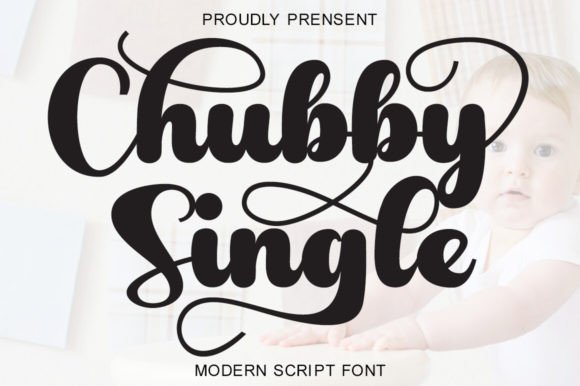
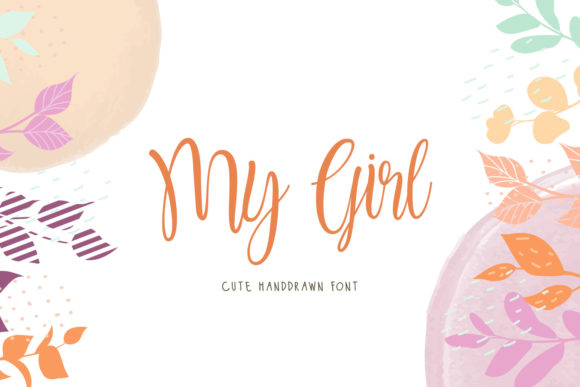
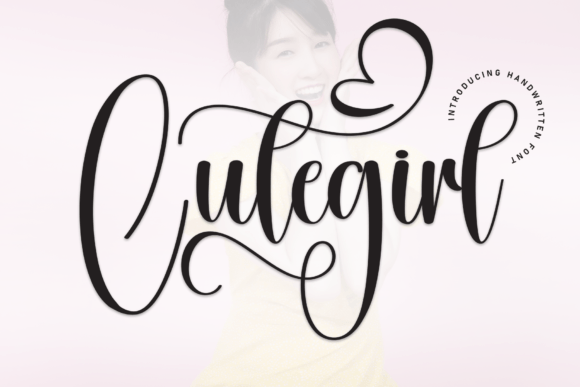
Cutegirl stands out in the crowded landscape of handwritten typefaces—not by chasing trendiness, but through deliberate craftsmanship. It’s a graceful handwritten font defined by fluid strokes, elegant curves, and a rhythm that feels both intentional and organic. Unlike many script fonts that prioritize flair over function, Cutegirl balances expressiveness with readability, making it a practical choice for professionals who need personality without sacrificing clarity.
What Makes Cutegirl Distinctive—Beyond Aesthetics
At its core, Cutegirl is built on natural movement. Its letterforms avoid rigid symmetry; instead, they lean slightly, swell gently at terminals, and taper with subtle variation—mimicking the controlled looseness of skilled penmanship. This isn’t digitized calligraphy with uniform spacing or exaggerated swashes. Rather, Cutegirl offers consistent baseline alignment, even weight distribution across lowercase forms, and carefully tuned kerning pairs that prevent awkward collisions in common word combinations (e.g., “love,” “forever,” “celebrate”).
The font includes standard Latin characters, numerals, punctuation, and basic diacritics—sufficient for English and many Western European languages. It does not include extended language support (e.g., Cyrillic, Greek, or Vietnamese), nor does it offer stylistic alternates, ligatures, or multiple weights. That’s a limitation for some—but also a signal of focus: Cutegirl was designed to do one thing well, not everything passably.
Where Cutegirl Delivers Real-World Value
Its primary strength lies in contexts where warmth, sincerity, and refined tone matter more than neutrality or boldness. Wedding stationery is perhaps the most natural fit: invitation suites, RSVP cards, and menu inserts benefit from Cutegirl’s gentle cadence and understated elegance. Unlike overly ornate scripts that can overwhelm delicate paper textures or compete with floral motifs, Cutegirl complements rather than dominates.
Greeting cards—especially those intended for milestones like anniversaries, baby announcements, or thank-you notes—also gain authenticity with Cutegirl. Its flow evokes personal handwriting without looking amateurish, bridging the gap between mass-produced and hand-lettered. For small businesses, it works effectively in branding elements where human connection is central: boutique bakeries, yoga studios, independent bookshops, or artisanal skincare lines. Used sparingly—as a logo lockup, headline accent, or signature tagline—it adds memorability without compromising professionalism.
Usability and Integration Considerations
Cutegirl performs reliably across platforms when installed as a desktop font (OTF or TTF). It renders cleanly in Adobe Creative Cloud applications, Affinity Suite, and modern design tools like Figma (via plugin or local install). For web use, it requires proper licensing and conversion to WOFF2 format with appropriate fallbacks—its delicate thin strokes may lose definition at small sizes or on low-DPI screens, so it’s best reserved for headings, hero text, or large-format print.
Readability tests show Cutegirl remains legible down to ~24pt in print and ~32px on screen—provided line spacing is generous and background contrast is high. It’s not suited for body copy, captions, or data-heavy layouts. Pairing it thoughtfully matters: neutral sans-serifs like Inter, Lato, or Source Sans Pro provide clean contrast without competing visually. Avoid pairing with other decorative scripts or high-contrast serifs, which risk tonal dissonance.
Who Benefits Most—and When to Look Elsewhere
Freelance designers, wedding stationers, and small business owners building cohesive visual identities will find Cutegirl especially useful when consistency and emotional resonance are priorities. Educators creating classroom materials with a nurturing tone—or bloggers crafting personal newsletters—can use it to reinforce voice and approachability.
That said, Cutegirl isn’t ideal for every project. If your work demands multilingual support, variable weight options, or tight typographic hierarchy (e.g., editorial layouts with layered headlines and subheads), alternatives like Playfair Display, Quicksand, or Montserrat may serve better. Similarly, marketers running A/B tests on email subject lines or digital ads should note that highly stylized fonts like Cutegirl often underperform in fast-scrolling, low-attention environments—clarity and speed trump charm in those cases.
Quality and Long-Term Practicality
From a production standpoint, Cutegirl demonstrates strong technical execution: no glyph misalignments, smooth hinting at medium sizes, and stable metrics across OpenType implementations. Its file size is modest (~150 KB), minimizing load impact when embedded responsibly. Licensing is straightforward—most vendors offer perpetual desktop licenses with clear usage terms for commercial projects, including client deliverables.
Longevity is another quiet strength. Because Cutegirl avoids extreme trends—no excessive bounce, no forced irregularity, no artificial distressing—it resists feeling dated. Fonts rooted in genuine penmanship tend to age more gracefully than those mimicking fleeting social media aesthetics. You’re unlikely to look back in three years and wonder why you chose it; its appeal stems from time-tested principles of rhythm, proportion, and restraint.
Practical Recommendations for Getting Started
- Start small: Use Cutegirl for a single headline or monogram before committing to full branding. Test how it interacts with your existing color palette and imagery.
- Respect scale: Never set it smaller than 20pt in print or 28px on screen—and always test output on the actual medium (e.g., printed proof on textured cardstock).
- Check licensing scope: Confirm whether your intended use—such as embedding in a Shopify theme or distributing as part of a Canva template—falls within the license terms.
- Proofread carefully: Like all connected scripts, Cutegirl can blur letter boundaries in certain combinations (e.g., “ll”, “tt”, “oo”). Always review final text at 100% zoom.
- Consider alternatives if flexibility is critical: If you need matching sans-serif companions, alternate weights, or broader language coverage, explore families like Grand Hotel (for similar warmth) or Pacifico (for wider utility, though less refined).
In practice, Cutegirl earns its place not by being the most versatile font available, but by excelling where few others balance grace and usability so consistently. It doesn’t shout—it invites attention with quiet confidence. For creators who understand that typography is never just about letters but about mood, message, and moment, Cutegirl offers a reliable, human-centered tool—one that supports intention rather than obscuring it.