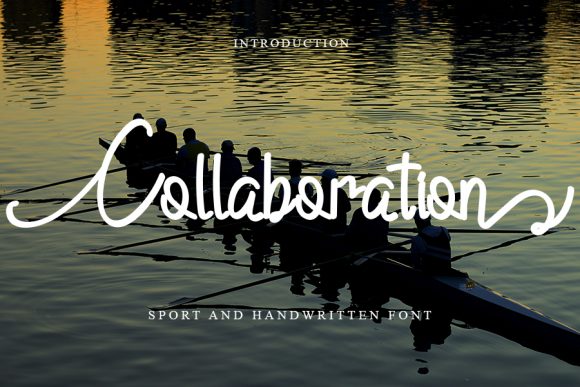
Collaboration
Collaboration is more than just working with others—it's about creating value through shared effort, insight, and innovation. Whether you're a professional, entrepreneur, educator, or hobbyist, understanding how to effectively collaborate can significantly enhance the quality and impact of your work. In today’s fast-paced and interconnected world, collaboration has become a cornerstone of productivity and creativity.
The Role of Collaboration in Modern Workflows
Collaboration fits seamlessly into any workflow, from planning and execution to review and refinement. It bridges gaps between individuals, teams, and even organizations, ensuring that diverse perspectives contribute to better outcomes. The beauty of collaboration lies in its adaptability—it can be applied before, during, or after any project, task, or decision-making process.
For instance, when launching a new product, collaboration begins with brainstorming sessions where ideas are exchanged and refined. During development, cross-functional teams may work together to ensure all aspects of the product meet user needs and business goals. Finally, post-launch collaboration ensures customer feedback is incorporated and improvements are made for future iterations.
Where Collaboration Adds Value
Collaboration isn’t limited to large-scale projects. It plays a vital role in everyday tasks as well. Consider the following use cases:
- Creative Processes: Designers, writers, and artists often benefit from collaborative input to refine their work and explore new directions.
- Learning Activities: Educators and students can leverage collaboration to foster deeper understanding and critical thinking.
- Business Workflows: From marketing campaigns to customer service strategies, collaboration ensures alignment across departments and stakeholders.
- Personal Goals: Even individual goals like fitness, skill development, or career planning can be enhanced by sharing progress and receiving support from others.
By integrating collaboration into these areas, individuals and teams can achieve more than they could working in isolation. The key is to identify where collaboration will have the greatest impact and structure it accordingly.
How Collaboration Interacts with Other Tools and Methods
Collaboration doesn’t exist in a vacuum—it works hand-in-hand with various tools, resources, and methods. For example, project management platforms like Trello or Asana provide structured environments for team collaboration, while communication tools like Slack or Microsoft Teams facilitate real-time interaction.
When using collaboration tools, it’s important to consider factors such as compatibility, usability, and organization. A tool that’s too complex or poorly integrated can hinder rather than help the collaboration process. Likewise, poor organization can lead to confusion, duplicated efforts, and missed deadlines.
One effective strategy is to combine digital collaboration with face-to-face interactions. While online tools offer flexibility, in-person meetings can build stronger relationships and foster more open communication. This hybrid approach ensures that both efficiency and personal connection are maintained.
Practical Implementation Tips
Implementing collaboration successfully requires preparation, clear communication, and a focus on outcomes. Here are some practical tips to help you get started:
- Define Clear Objectives: Before starting any collaborative effort, make sure everyone understands the goals and expected outcomes.
- Establish Roles and Responsibilities: Assigning specific roles helps prevent overlap and ensures that all necessary tasks are covered.
- Choose the Right Tools: Select collaboration tools that align with your workflow and team preferences. Consider factors like accessibility, ease of use, and integration capabilities.
- Encourage Open Communication: Foster an environment where all voices are heard and feedback is valued. Regular check-ins and updates can help maintain alignment and address issues early.
- Focus on Quality Control: Collaborative efforts should include mechanisms for reviewing and refining work to ensure consistency and high standards.
Remember, collaboration is not just about working together—it’s about working smarter. By focusing on preparation, communication, and outcome-driven practices, you can maximize the benefits of collaboration in any context.
Exploring the Beauty of Collaboration
While the practical aspects of collaboration are essential, there’s also a certain beauty in the way people come together to create something meaningful. Whether it’s a team designing a website, a group of educators developing a curriculum, or a small business owner seeking advice from peers, collaboration brings a sense of shared purpose and achievement.
This beauty is especially evident in creative fields, where collaboration can lead to unexpected insights and innovations. A unique font like "Collaboration" adds a visual element that complements the collaborative spirit—its elegant design and distinctive style reflect the harmony and synergy that define successful teamwork.
Using such fonts can elevate the presentation of your work, whether it’s a design project, a marketing campaign, or a personal portfolio. The right typography can make a statement, reinforcing the message that collaboration is not only functional but also aesthetically pleasing.
Integrating Collaboration into Your Routine
To integrate collaboration smoothly into your routine, start by identifying areas where it can add the most value. For professionals, this might mean involving colleagues in decision-making processes. For educators, it could involve peer reviews or student-led discussions. For entrepreneurs, collaboration might take the form of networking events or mentorship programs.
Once you’ve identified potential opportunities, experiment with different approaches. Try combining digital tools with in-person interactions, set up regular check-ins, and encourage open dialogue. Over time, you’ll develop a rhythm that works best for your workflow and team dynamics.
Consistency is key. Just as with any skill or practice, collaboration improves with repetition and refinement. Don’t be afraid to adjust your methods based on what works best for your team and the nature of your projects.
Conclusion
Collaboration is a powerful force that can transform the way we work, learn, and create. By understanding its role in various workflows and implementing it thoughtfully, individuals and teams can unlock new levels of productivity and innovation. Whether you’re working on a small personal goal or leading a large-scale initiative, the principles of effective collaboration remain relevant and valuable.